I was recently asked to beta read a book for a writer friend that featured Muslim characters. It is always a difficult task writing about a diaspora that you are not from or intimately familiar with. So, the aim of this article is to provide you with a foundation to avoid the common mistakes.
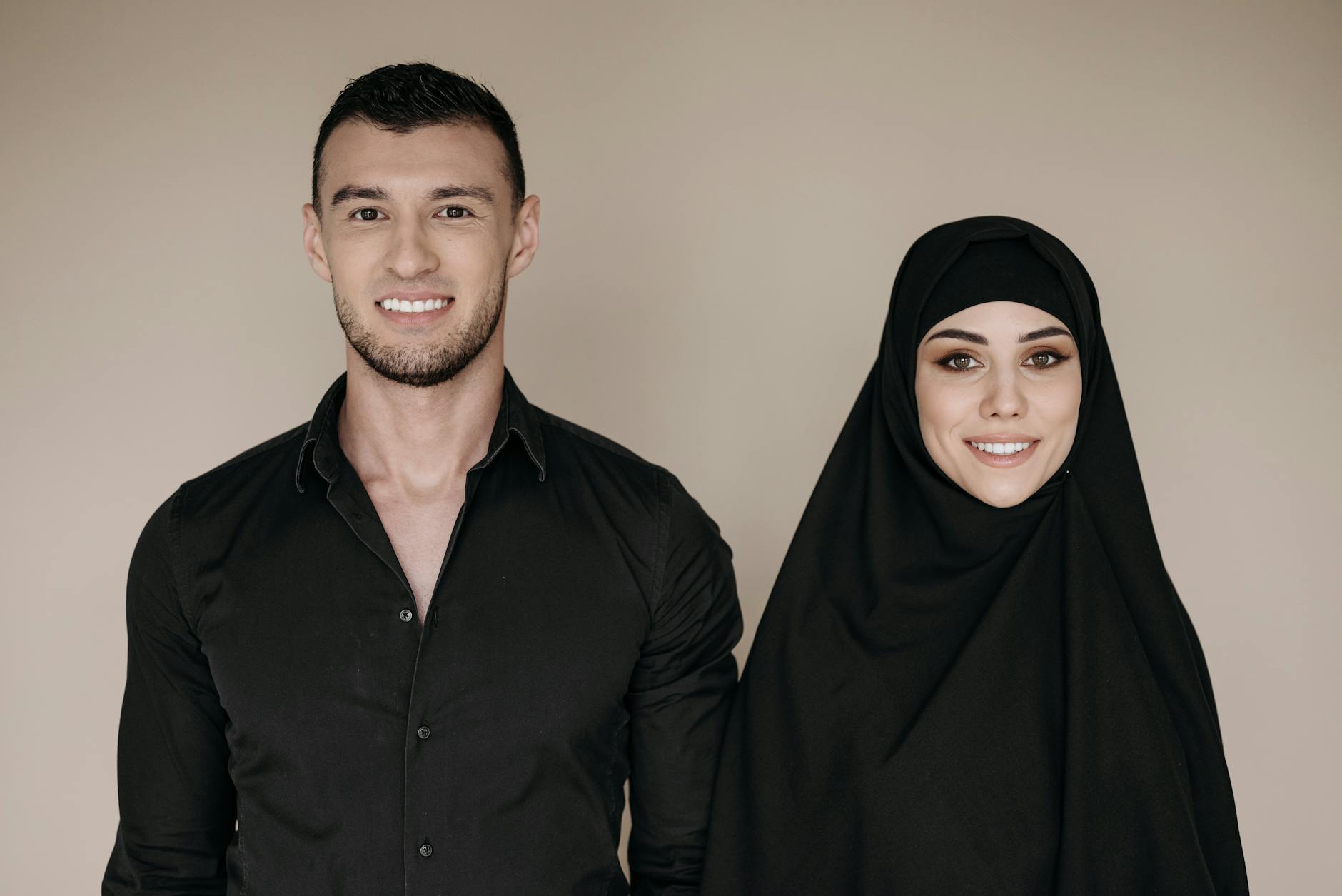
All Muslims Are Not The Same
If you rely on Hollywood movies, television and news then you will likely see Muslims fitting into one of the following categories:
The Terrorist: Bearded, keffiyeh wrapped around their face, frothing at the mouth, hates the West and is willing to die for his ideology, e.g. True Lies, Iron Man and The Bodyguard (tv)
The Oppressed Woman: a common trope in both news and entertainment media, the oppressed woman is often shown as being passive, voiceless, subjugated, needs saving by a strong white man. A good example of this was in Jack Ryan Season 1, where the wife of a terrorist leader needs to be rescued by Jack Ryan. Disney played on this stereotype in the live action version of Aladdin, in which Jasmine actually sings a song about not wanting to remain voiceless.

The Fanatic/Zealot: are characters that are portrayed as being rigid and unbending, given to violent or angry outbursts and playing directly into the hands of ‘culture clash’ tropes.
The Exotic Other: mysterious, romanticised and following the Orientalist stereotypes of the Arabian Nights stories, e.g. The Thief of Baghdad, Hidalgo, Disney’s Aladdin.
The Check Box Muslim: The only thing Muslim about this character is that they are brown (on the outside). Think Yasmina from Jurassic World: Chaos Theory. Dresses in tight clothes, in a lesbian relationship, likely an atheist. They are only there to tick as many diversity check boxes as possible.
The Billionaire Sheikh: oil rich, corrupt, craves the flesh of white women (Taken), morally and ethically corrupt. E.g. The A-Team, Condor Man.

Archvillain: The beard twirling, shifty looking villain (with a British accent, of course). For example, Jafar (Aladdin), Art Malik (True Lies), Sir Ben Kingsley (Prince of Persia)
Helpful/Apologetic Muslim: This one is becoming more common. They are either presented as ‘the Good’ Muslim, i.e. the one that snitches on other Muslims, or apologetic about the barbarism of Muslims in the third world.
Suffice to say, none of these stereotypes are helpful nor representative of Muslims at large. More authentic representation is thin on the ground but does exist. The Ms Marvel comic books and the tv series to a lesser degree, demonstrate a more realistic example of an American Muslim and her family. There have been attempts to even subvert some of these stereotypes, e.g. Three Lions, but in the end, of that film they still end up fulfilling the stereotype. Muslim film-makers are emerging and producing content that offer alternative narratives. Ramy on Hulu is an example that often comes up in searches, starring Ramy Youssef, exploring his life and challenges as an American Muslim, Mo on Netflix follows a Palestinian refugee living in Houston. A more critically acclaimed novel and film was The Kite Runner by Khaled Hosseini. More recently, the Oscar winning No Other Land, co-directed by a Palestinian and an Israeli depicting the realities of life for Palestinians.
So there you have it. If you have any of the above stereotypes featuring in your novel, screenplay or graphic novel, consider giving them a third dimension that humanises them and shows a positive element of their faith. In Part 2 of this post, I will look at some of the factors to consider when writing a Muslim Character.
If you’ve enjoyed this post and found it useful, consider leaving me a Like and a Comment. It would be really nice if you would Subscribe (if you haven’t already) and share on your platforms.
Discover more from NOOR A JAHANGIR
Subscribe to get the latest posts sent to your email.

