In the last post, we explored the different stereotypical characterizations of Muslims. In this post, we will look at how to write a Muslim better.
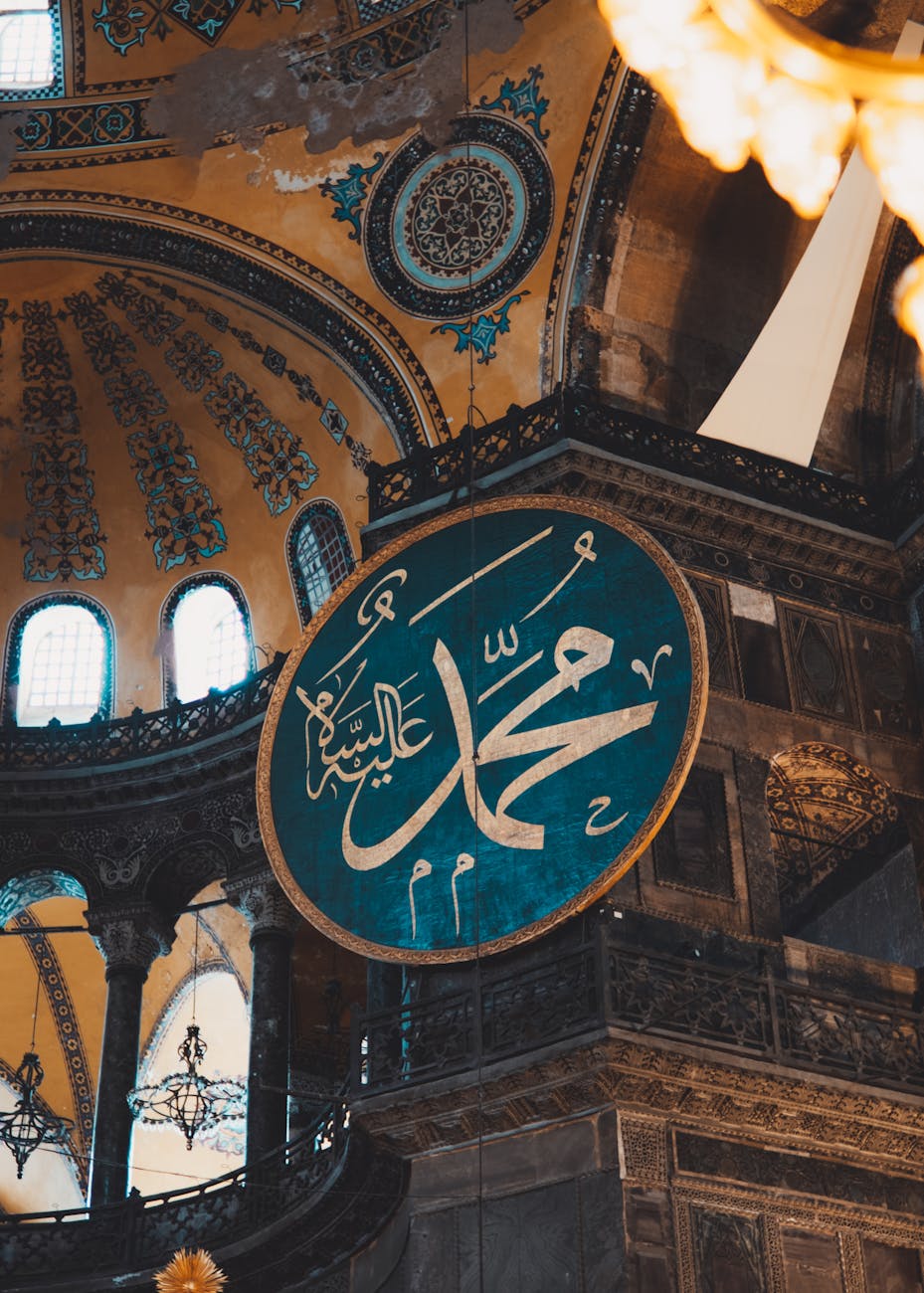
Muslims are like any other human being. They have needs and wants, they have family and friends, they have aspirations and goals. Therefore, ground your character in these qualities. The added complexity of a Muslim comes from their level of sincerity to their faith, what denomination they follow and their personal connection with God. We will explore some of these themes in more detail in future posts. In this post I will focus on the first quality; sincerity.
Sincerity
What is sincerity in Islam? A good way of capturing this concept is to quickly reflect on a Hadith (oral or practical tradition) of the Prophet Muhammad (peace and blessings be upon him).
Narrates Abu Ruqayyah Tamim Ibn Aus al-Dari (may Allah be pleased with him), the Prophet (peace and blessings be upon him) said, ‘Religion is sincerity’. We said, ‘To whom?’ He said, ‘To Allah, and His Book, and His Messenger, and to the leaders of the Muslims and their common folk.’ (Muslim)
In relation to this hadith, sincerity therefore is to observe the rights of each of those mentioned in the narration. Regarding Allah, we must hold correct belief in God, not ascribe partners to God, fulfil all His commands and refrain from the things God has forbidden.
Sincerity to God
All Muslims believe in the Unity of God (i.e. God is One, Self-Sustaining, He has no partners, no parents, no children, He is unique). A person can’t be a Muslim if he doesn’t believe in this. However, not all Muslims fulfil all of Gods commands, nor refrain from all that God has forbidden. This is the first metric that a writer can use for characterisation. How much does your character follow the do’s and don’ts of Islam? Do they perform all their prayers? Do they go to mosque? Do they only eat Halal (permissible) food? Do they refrain from drinking alcohol or taking drugs? Are their earnings Halal (not engaged in Usury, Gambling, buying or selling alcohol, etc.)? Do they cover up their skin?
Sincerity to the Holy Qur’an
This is foremost the belief that the Holy Qur’an is the literal Word of God. Muslims believe that God sent His Word as revelations via Gabriel to the Prophet (peace and blessings be upon him). One of the manifest miracles of the Qur’an is that it has remained unchanged since it was revealed over 1400 years ago. It has been preserved like this through rote memorisation of its 6236 verses by individuals since it was revealed. Current estimates of how many living people have memorised the Qur’an vary from 2.5 million to 200 million. Memorisation of the Qur’an is therefore a long tradition and every Muslim tries to memorise at least some of the Qur’an. Other rights of the Qur’an over Muslims is that we hold it in high regard, read it regularly and try and understand it. We are required to act upon the commands given within it and stay away from the things prohibited in it.
What is the relationship of your character with the Qur’an? Have they not touched it since they were a child? Do they read every day? This is a good metric to show the level of religiosity in your character. The majority of Muslims will hold the Qur’an in high regard, even if they don’t read it regularly. Some people may seem outwardly ‘unislamic’, however, they may still have a very positive relationship with the Qur’an. Most Muslims will occasionally read the Qur’an (especially during Ramadan) but many of them will have no understanding of its meaning. The Qur’an is written in Arabic and is the literary pinnacle of that language, so even Arabic speaking Muslims may struggle to understand the Arabic text fully. Maybe your character has an English translation of the Qur’an and reads that regularly? Maybe they go to mosque daily to learn how to recite it or are engaged in memorising it? Maybe your character is a new Muslim are struggling with learning to read the Qur’an through transliteration.
Sincerity to the Messenger
The Prophet Muhammad (peace and blessings be upon him), like the other Prophets and Messengers before him, is the connection between humanity and God. The rights of the Prophet on Muslims is to try and get to know him by reading about his life, studying his sayings and putting into practice the advice and commands he gave. Muslims try and emulate his every action. This is the ultimate expression of love, to mimic the actions and speech of the persons that we love. Therefore, Muslims will try and dress like him, behave like him, interact with others like him and even repeat his words. The aspiration is to love him more than we love ourselves.
Anas Ibn Malik reported: The Messenger of Allah, peace and blessings be upon him, said, ‘None of you have faith until I am more beloved to him than his father, his children and all mankind. (Bukhari)
The Prophet is universally loved by Muslims. However, the level of observance of his Sunnah (the practical traditions and actions of the Prophet) varies amongst Muslims. Some of these practices are obvious, e.g. clothing (does your character dress in normal Western clothing, or do they dress in traditional Asian or Arabian clothing? Do they cover-up fully, or do they have a lot of skin showing?), facial hair and head covering. Other’s may be more subtle, e.g. how they treat other people, how they are with their friends and family, etc. One obvious way they may practice their faith is by avoiding swearing, by being polite and well-mannered, avoiding illegalities (i.e. a straight-shooter). Another way of differentiating your characters is how do they react when the Prophet is insulted? Do they get angry? Do they calmly try and explain why the person is out of line? Do they get apologetic or do they runaway because they don’t know how to deal with the unsolicited animosity?
Sincerity and Leaders
This is a two way street. On the one hand, Muslims are told to obey and follow their leaders to their best of their ability, providing they don’t go against the commands of God and His Messenger. On the other hand, leaders are expected to serve their follows to the best of their ability, putting their needs before their own. In ancient times, these leaders were the Caliph or the Amir-ul-Momineen (leader of the believers), the local governor, religious leaders and scholars. In the 21st century, these may be political leaders, monarchs, religious leaders (Imams, scholars, Sufi sheikhs) and community leaders. However, another Hadith of the Prophet places a duty on common folk to hold leaders accountable:
Abu Sa’id al Khudri (may Allah be pleased with him) reported, the Prophet (may peace and blessings be upon him) said: ‘Among the best of Jihad is to speak a word of justice to an oppressive ruler’. (Abu Daoud, Al-Tirmizi, Ibn Majah)
There is a lot of mileage in this one for writers. You could explore the tension between obedience and accountability. Is a local community leader exploiting his position for profit? Is there conflict between two Muslim candidates for two different political parties. Is there a despotic ruler that needs to be overthrown? For your character, is she openly critical of a local, regional, national or international leader? Is she political active? Does she take part in demonstrations. Is she a politician or local leader herself?
Sincerity to the Common Folk
The final category is sincerity towards believers. Sincerity here is related to good advice and fulfilling the rights of each other. These are captured beautifully in another Hadith:
Abu Hurairah narrates, the Messenger of Allah (peace and blessings be upon him) said, ‘Six are the rights of a Muslim over another Muslim’. It was said to him, ‘O Messenger of Allah, what are these?’ Thereupon he said, ‘When you meet him, offer him greetings; when he invites you to a feast accept it, when he seeks your council give it him, and when he sneezes and says “All praises be to Allah”, you say, “May Allah show mercy to you”. When he falls ill visit him; and when he dies follow his bier (funeral)’. (Muslim)
The hadith is quite self-explanatory. Each of us has rights of the other. Parents have rights over their children and vice-versa, e.g. to care for them and raise them well, to obey and honour them. Siblings have rights over each other, to look out for each other and offer good advice when it is needed. Friends and work colleagues have rights over each other, to provide good advice and be supportive of each other. Neighbours have rights over each other, to ensure they have food and not to cause them any discomfort through your actions. The list goes on, and on. Whilst in terms of faith and belief this may not seem as important, however, I would argue that this is the core of a Muslim’s character. The way a person treats another person is the best measure of how good a Muslim a person is. Therefore, if your character is a villain and a Muslim, this will be their main failing. If they are failing at this, it is likely they lack sincerity in all the other qualities.
Thank you for reading. If you have any questions relating to today’s post, please leave a comment below and I will get back to you asap. If you have enjoyed the content, consider leaving a like and share it with your friends and family. If there is a particular issue you would like me to write about, drop me a comment.
Discover more from NOOR A JAHANGIR
Subscribe to get the latest posts sent to your email.

